

CALGARY — Calgarians may be digging deeper into their pockets over the next ten years to pay potential tax increases after city administration tabled a report on Wednesday suggesting a preliminary estimate of almost $49 billion will be needed to develop and maintain infrastructure services.
It was part of a progress update to the 10-year capital infrastructure plan presented to the Infrastructure and Planning Committee (IPC), with city administration saying the ask is an estimated cost of projected population growth and covers 13 capital service projects, including transit, recreation facilities, parks, water and other major infrastructure.
The committee also heard the city's infrastructure assets have an estimated replacement value of $160 billion, with 13% of assets in poor or very poor condition.
About a third of the city’s roads are in fair to poor condition, according to the report. Upgrades are also needed for bridges, sidewalks, street lights and traffic lights.
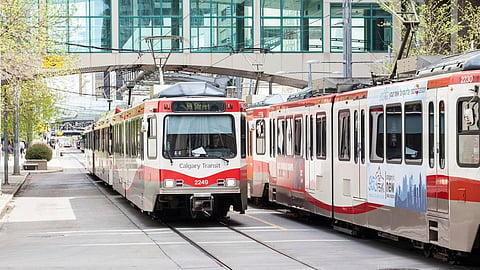
Transit has the highest share of the estimate with $10.4 billion in capital infrastructure needs through 2035.
It includes $1.5 billion for a rail connection to the Calgary International Airport and another billion to extend the Red Line LRT further south.
It does not include infrastructure for the upcoming Green Line LRT, for which capital has already been approved, however roads and pathways associated with the line are the second highest on the list, with $8.7 billion needed over the next 10 years.
The report identifies $5 billion will go to the city’s water system to upgrade and safeguard feeder mains, pumping stations and treatment facilities.
In addition, there is a $2 billion ask for recreation, to update aquatic centres, fieldhouses, parks and arenas.
City administration said the estimated $49 billion cost “will increase as non-capital-intensive services complete their assessments. Information is being collected from the remaining services with capital to provide a fulsome picture of the city’s capital needs to council in May 2026.”
Administration also offered a caution.
“As we continue to work with the remaining services as well as refine, prioritize and sequence the initiatives, the order will change, and some initiatives may be pushed out of the 10-year window based on such things as the ability for the work to be delivered."
"These changes may create a reputational risk with the public reading the document as a commitment to deliver specific projects within a certain timeframe, rather than a building block for consideration into the 2027-2030 business plan and budget.”
Speaking to the administration’s report, Mayor Jeromy Farkas said, “We heard a strong desire from Calgarians to really focus and catch up on the infrastructure deficit; the not necessarily sexy things to have, but the essential infrastructure that runs the city," he said.
"City staff stressed that the numbers are preliminary and meant to show the scale of investment needed, not necessarily the final projections.”
“That is a big number if you're trying to tackle it all at once. But the benefit is that we don't have to tackle it all at once. There's a lot of sequencing. There's a longer-term plan that's required,” added Farkas.
“And that's what our council team is really committed to doing. The figures are part of an update on the city's 10-year capital infrastructure plan, with more information expected during budget talks in November.”
Ward 10 Cllr. Andre Chabot echoed the mayor’s view.
“That's not something I think Calgarians need to be that worried about," said Chabot. "It's not going to be fully funded from their property tax dollars.”
Administration directed IPC to recommend that city council receive the report for the corporate record.
