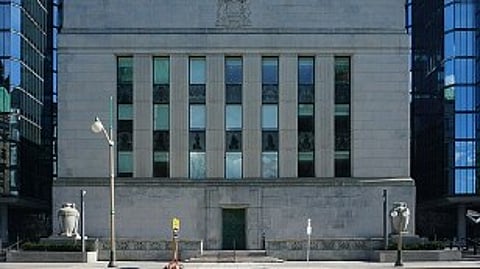
Canadian businesses are becoming increasingly pessimistic about the economy, with nearly one in five now preparing for a recession over the next year as inflation, rising costs and geopolitical tensions continue to weigh on confidence, according to the Bank of Canada's latest Business Outlook Survey.Blacklock's Reporter says the surve found business sentiment has worsened since the first quarter as firms grapple with higher input costs and uncertainty stemming from the war in the Middle East."Business sentiment has deteriorated," Bank of Canada analysts wrote.The share of businesses planning or budgeting for a Canadian recession over the next 12 months nearly doubled, climbing from 9% in the first quarter to 17% in the second quarter.The findings come after Statistics Canada reported Canada entered its first recession in five years, with the economy contracting from October through March. The downturn followed the Bank of Canada's April forecast that no recession was expected this year.The central bank also released its latest Survey of Consumer Expectations, which found Canadians remain worried about inflation and the broader economic outlook.According to the report, consumers continue to expect elevated inflation in the near term because of ongoing trade tensions and higher oil and energy prices linked to the conflict in the Middle East.The Consumer Price Index currently stands at 3.2%, its highest level since late 2023.."Consumers' near-term inflation expectations remain elevated amid ongoing trade tensions and rising concerns about oil and energy prices linked to the war in the Middle East," the Bank said.It added that Canadians continue to view the economy as challenging, with high prices and economic uncertainty weighing on household spending plans.The latest surveys underscore the difficult position facing Bank of Canada Governor Tiff Macklem as policymakers weigh whether to adjust interest rates.Last month, Macklem acknowledged the competing pressures facing the central bank."Economic weakness combined with rising inflation is a dilemma for monetary policy," he told reporters. "Rising rates to dampen inflation could further slow the economy. Easing rates to support growth increases the risk higher inflation becomes persistent."When asked whether Canada was already in a recession, Macklem stopped short of agreeing."Based on the data we've seen to date, the economy is weak but it is not clearly in recession," he said, adding that economists generally define a recession as a significant, broad-based decline in economic activity lasting more than one quarter."There’s always uncertainty," Macklem said. "We've seen a lot of volatility."The Bank of Canada is scheduled to announce its next interest rate decision on July 15.