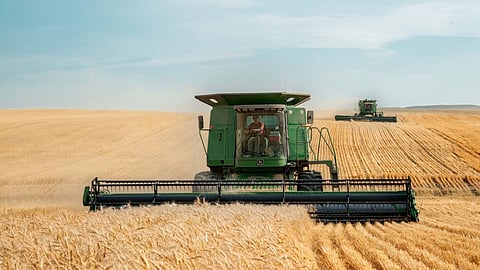
Canadian farmland values continued their steady rise in 2025, increasing by 9.3%, with the Prairie provinces driving much of the growth, according to the latest FCC Farmland Values Report. The Maritimes also saw gains, while growth in Ontario and Quebec slowed compared with previous years.Manitoba recorded the largest increase at 12.2%, followed by Alberta at 11.4% and Saskatchewan at 9.4%. New Brunswick farmland values rose 9.1%, Prince Edward Island climbed 8.5%, and Nova Scotia saw a modest 1.6% increase. Quebec’s farmland values increased by 4.8%, while Ontario recorded a slower 2.2% growth. Alberta, Manitoba, New Brunswick, and Prince Edward Island all posted higher growth rates than in 2024.British Columbia bucked the trend with a 1.7% decline, though it maintains the highest average farmland values in Canada. Data were insufficient to assess changes in Newfoundland and Labrador, Northwest Territories, Nunavut, and Yukon.Despite global uncertainties, Canadian farmland markets remained resilient, with producers expanding land holdings and making strategic acquisitions that supported values across cultivated, irrigated, and pastureland..“Demand for farmland remained robust, supported by long-term confidence in Canadian agriculture, lower borrowing costs, strong livestock prices, and the limited supply of land available for sale,” said J.P. Gervais, ag production executive vice-president at FCC. He added that trade uncertainties, high input costs, and low commodity prices did not deter buyers’ interest, and that local market conditions will influence future affordability trends.While rising farmland values benefit current owners, they present challenges for newcomers to agriculture. FCC offers programs such as the Transition Loan to support young farmers and others entering the sector.More insights and forecasts on Canadian agriculture are available at fcc.ca/Economics