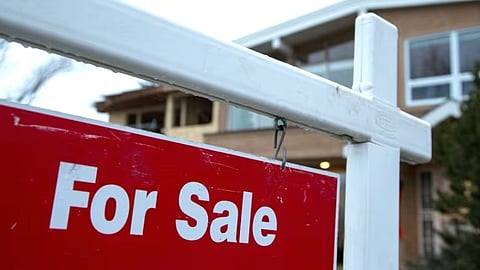
Most Canadian renters still hope to become homeowners despite soaring shelter costs and worsening affordability, according to new Canada Mortgage and Housing Corporation research.CMHC's Canadian Housing Survey found home ownership remains a goal for most renter households, with many viewing property as a way to build wealth, provide for their children and gain financial security in retirement.“The Housing Survey shows Canadians continue to aspire to housing that better meets their needs yet many still face challenges in doing so,” CMHC said in a Housing Observer commentary.Blacklock's Reporter said the survey found 72% of respondents considered “building wealth through housing” important.A majority also identified owning property as important for having something “to leave for children” and providing “security and control as I grow older.”Paying off a mortgage before retirement was also a priority. A total of 70% of renters described doing so as important or somewhat important, while 6% expressed no opinion.The findings come as federal data show housing is consuming a growing share of household income.According to a Department of Housing Transition Binder, the typical Canadian household now spends 52% of its income on shelter, compared with 38% in 2015.“Middle income households across the country are finding it increasingly hard to buy homes,” said the department.“These households are often staying in rental housing longer, placing additional pressures on rental supply and increasing rental costs.”Federal figures show rents have been increasing by an average of 8% annually, outpacing the overall inflation rate.The cost of constructing residential buildings has also jumped 58% since 2020.“Barriers to increasing the housing supply are wide ranging,” said the department.A Sept. 3, 2025 memo to Housing Minister Gregor Robertson said conditions were particularly difficult for people trying to enter the housing market.“The affordability crisis is most severe for those entering the housing market,” said the memo, Report On Housing And Transportation Costs..Federal researchers said existing residents generally face combined housing and transportation costs equal to between 25% and 32% of income, while prospective buyers face substantially higher costs.The department identified young families, immigrants and low-income households as being particularly affected by the higher cost of entering the market.“This widening gap reflects the fact that once a home is purchased, owners are largely protected from future increases in housing prices,” said the memo.Longtime homeowners can also see their monthly housing expenses fall as their mortgages approach the end of their amortization periods, researchers noted.Once a mortgage is fully paid, homeowners are generally left covering property taxes, maintenance and insurance rather than mortgage payments.Despite those barriers, CMHC's survey indicates the financial advantages associated with ownership remain an important reason renters continue to aspire to buy homes.