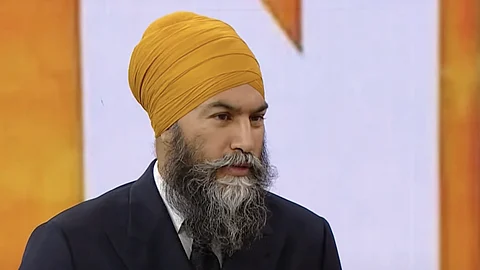
New Democrats, in a blunt post‑mortem of their 2025 election collapse, say the party damaged itself by tying its fortunes to Justin Trudeau and drifting away from the priorities of working taxpayers. The internal review warns that Conservative messages on jobs and identity connected with voters in ways the NDP simply did not.The Review And Renewal Report: Campaign 2025 says candidates repeatedly heard that the Confidence and Supply Agreement — signed by Jagmeet Singh in 2022 — left the party “too closely linked” to Trudeau, whose unpopularity “rendered him toxic to many voters.” The report notes Singh continued to spend political capital propping up the Liberal cabinet even as it failed to meet commitments in the deal.“Many people we heard from felt the 2025 election was lost before it began,” the review states, adding that messaging around the agreement was widely viewed as “weak and confusing.”The report was authored by Ottawa lawyer Emilie Taman, a two‑time unsuccessful federal candidate, who based her findings on interviews with party organizers and supporters.The NDP was reduced to seven seats in the April 28 vote — its worst result since 1935 — and lost official party status, electing only one MP east of Manitoba. Members will choose a new leader on March 29 in Winnipeg..According to the review, the campaign exposed a widening “operational, political and cultural distance” between the party and working people. Labour leaders interviewed described a growing disconnect between the NDP and working‑class Canadians.The report says the party is no longer seen as focused on “work, wages, jobs, industry and economic security,” the issues that drive most workers’ votes. While some caucus members disputed that assessment, the review says the perception “cannot be ignored,” adding that the party’s language often comes across as “exclusionary, academic or moralizing.”Interim Leader Don Davies voiced similar concerns in an August 28 podcast, saying the NDP has been in a “secular slide since 2011.” He questioned whether the party has shifted too far from class‑based politics toward identity‑driven debates.Davies said discussions about issues such as drag reading events or trans‑women in sports may matter to some, but they do not address the day‑to‑day struggles of most workers: paying rent, buying a home, or affording groceries.Singh, in his final news conference as leader on April 26, defended his decision to continue voting confidence in the Liberal cabinet until the election was called. “I could not stomach the idea of Pierre Poilievre and the Conservatives forming a majority government,” he said. “I knew that was going to be bad.”