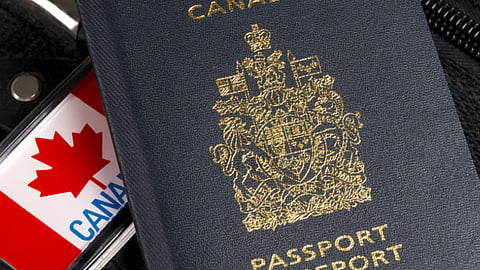
The federal immigration department launched internal work on using digital passports as domestic identification without any parliamentary approval, according to newly released Access To Information records — a move that revives a national ID debate MPs rejected decades ago as intrusive, expensive and dangerous.Blacklock's Reporter says an internal email from a senior analyst flagged that Canadian Digital Services assumed passports would eventually function as in-country ID. “This warrants a policy discussion,” the analyst wrote, prompting managers to insert a new question about national ID use into the 2024 Passport Client Experience Survey — a questionnaire normally limited to gauging wait times and basic service issues.Documents do not reveal who ordered the new question, and there was no consultation with MPs, senators or the Privacy Commissioner. Then-immigration minister Marc Miller’s office refused to comment when first asked in February, leading to the Access request.The survey asked applicants: “How comfortable would you be sharing a secure digital version of the passport within Canada as an identity document?” Respondents could click from “very comfortable” to “not comfortable at all.”.The results showed Canadians overwhelmingly do not treat their passports as ID. Only 20% said they use their passport regularly to identify themselves, while 49% said they use it strictly for travel. Interest in a digital passport ID was mixed: 64% said they were open to the idea, but 18% opposed it outright.A national ID system has been politically toxic for years. MPs on the Commons immigration committee warned in 2003 that such a scheme could cost up to $5 billion and empower police to “stop people on the street” and demand ID — a scenario the committee said was incompatible with Canadian freedoms.Then-privacy commissioner Robert Marleau issued a blistering 2003 warning that a national ID program would be “the most significant privacy issue in Canadian society.” He cautioned that the infrastructure required — massive databases, card readers, millions of IDs, security protocols and monitoring systems — would not only cost between $3 billion and $5 billion to build, but undermine basic privacy rights.Marleau argued such systems let governments track people when they “have every right to remain anonymous,” expose more personal information than necessary, and link Canadians’ activities into sweeping digital profiles.