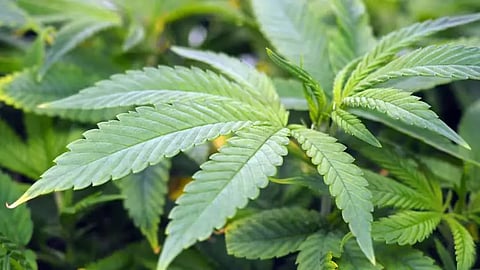
US President Donald Trump has signed an executive order directing federal officials to reclassify cannabis under US drug laws, marking the most significant shift in American marijuana policy in decades.The order instructs the US attorney general to move cannabis from Schedule I of the Controlled Substances Act to Schedule III. Schedule I substances are defined as having no accepted medical use and a high potential for abuse, while Schedule III drugs include substances such as ketamine and Tylenol with codeine, which the Drug Enforcement Administration says carry a “moderate to low potential for physical and psychological dependence.”.Cannabis will remain illegal at the federal level. However, the reclassification is expected to ease restrictions on research into marijuana’s potential medical benefits and alter how the industry is treated under federal tax law.Under current regulations, state-authorized cannabis dispensaries are barred from claiming certain federal tax deductions because they sell Schedule I substances. Moving cannabis to Schedule III would allow many of those businesses to access deductions currently unavailable to them.In addition to rescheduling cannabis, the executive order directs White House officials to work with Congress to expand access to cannabidiol, commonly known as CBD. As part of a new program announced alongside the order, some Medicaid recipients will be able to access CBD at no cost, provided it is recommended by a physician..Federal health officials have also been tasked with developing new methods to study the real-world health benefits and risks associated with CBD use.A senior administration official described the order as a “commonsense action” aimed at improving scientific understanding of cannabis and related products.The move follows years of debate in Washington over marijuana policy. Since 1971, cannabis has been classified as a Schedule I drug under federal law. In recent years, however, a majority of US states have legalized cannabis for medical use, and 24 states have approved recreational marijuana.The Biden administration proposed a similar reclassification, and in April 2024 the DEA announced a proposed rule change, but the effort stalled amid administrative and legal challenges..Trump has previously expressed support for reforming marijuana laws. During the 2024 presidential campaign, he wrote on Truth Social that it was time to end arrests and incarceration for adults possessing small amounts of marijuana for personal use, while also calling for “smart regulations” and access to tested products.The executive order has faced opposition from some Republican lawmakers. Earlier this week, 22 Republican senators sent a letter to Trump warning that the move could normalize cannabis use and undermine workforce productivity. The senators cited studies linking marijuana use to impaired judgment and reduced concentration..“In light of the documented dangers of marijuana, facilitating the growth of the marijuana industry is at odds with growing our economy and encouraging healthy lifestyles for Americans,” the letter said.In a separate letter sent to Attorney General Pam Bondi in August, nine Republican members of the House argued that insufficient scientific evidence exists to justify rescheduling cannabis, warning that it could send the message that marijuana is safe for children.Public opinion, however, remains largely supportive of legalization. A Gallup poll released in November found that 64% of Americans believe marijuana should be legal, though support among Republicans has declined in recent years.