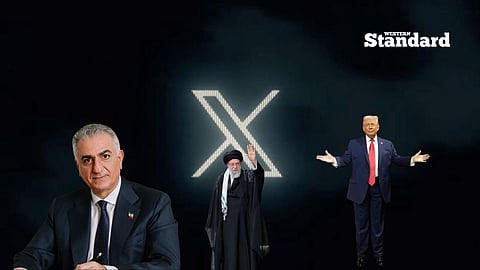


X has updated the Iran flag emoji displayed on its platform, replacing the Islamic Republic’s stylized tulip emblem with the historical Lion and Sun symbol on the green, white and red tricolour.
The change followed a user request and the approval of a pull request in the open-source Twemoji repository, which manages emoji designs used on the platform. X engineer Jeremy Bier said the revised emoji would appear on the web version sometime after Friday.
The Lion and Sun emblem predates the 1979 Islamic Revolution and is associated with Iran’s former monarchy. In recent years, it has been adopted by some protesters and opposition supporters as a symbol of resistance to the current government.
The update comes as demonstrations continue across Iran, alongside reports of widespread internet and communications disruptions. Iranian opposition figure Reza Pahlavi, the son of Iran’s last shah, has issued an appeal for international support, warning that a reported nationwide communications blackout could enable a broader crackdown on protesters.
In a statement posted on social media and addressed to the President of the United States, Pahlavi said millions of Iranians had taken to the streets despite security forces and the alleged use of live ammunition. He accused Supreme Leader Ali Khamenei of ordering harsh measures to suppress dissent and urged demonstrators to continue protesting in large numbers.
Claims by Pahlavi and his supporters that he is also addressing Iranians via national television have not been independently verified, particularly given the reported communications restrictions.
Supporters of X’s emoji change say it reflects solidarity with Iranians opposing the government during the current unrest. Critics argue the move amounts to interference in the national symbols of a sovereign state.
Iranian authorities have not publicly responded to the emoji update or to Pahlavi’s latest statements. The government has previously defended internet shutdowns during periods of unrest as necessary for national security, while critics contend such measures are intended to suppress dissent and limit outside scrutiny.
As demonstrations continue, access to independent information from inside Iran remains limited, making it difficult to verify competing claims about conditions on the ground.
